Synthesis-based distributed compute requires three things most teams can't combine: deep systems research, capital-markets intuition, and the engineering discipline to ship infrastructure with a small team. FUJI has all three — assembled deliberately over six years. 合成型分散コンピューティングには、多くのチームが両立できない3つの要素が必要です。深いシステム研究、資本市場の直感、そして少人数でインフラを出荷しきる工学的規律。FUJIはその3つすべてを、6年かけて意図的に組み上げてきました。
FUJI is not a startup that pivoted into AI infrastructure in late 2024. It is the third iteration of an idea Yohei and Kensaku have been quietly building since 2018, when distributed compute was uninteresting and AI was still pre-transformer. Most companies in this market raised money first and looked for problems second. We did the opposite. FUJIは2024年末にAIインフラへ転身したスタートアップではありません。Yoheiと Kensakuが2018年から静かに育ててきたアイデアの3回目の反復です。当時、分散コンピューティングは退屈な分野で、AIはまだトランスフォーマー登場前。多くの会社は先に資金を集めて後から問題を探しました。我々は逆を行いました。
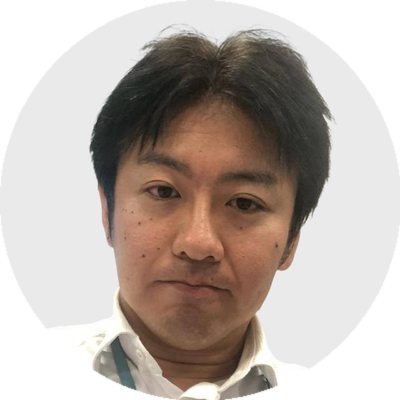
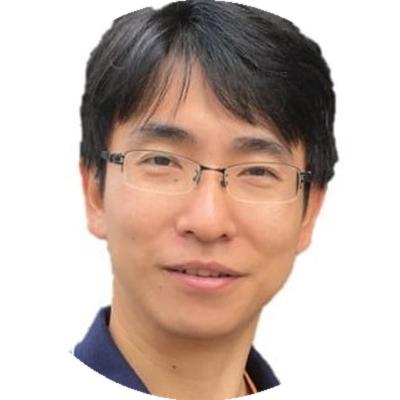
Yohei and Kensaku met at a UTokyo alumni blockchain study group (Tan-Sei-Kai). Yohei was the investor in the room; Kensaku was the researcher. Within minutes, both noticed something rare: the investor was the one going deeper on the systems questions. The pattern of asking and answering reversed mid-conversation. That asymmetry would become the basis of a co-founder relationship. YoheiとKensakuは東京大学卒業生のブロックチェーン勉強会「淡青会」で出会いました。Yoheiは投資家、Kensakuは研究者の立場。数分後、互いに珍しいことに気づきます。投資家の方が、システム的な問いを深掘りしていたのです。問いと答えの方向が会話の途中で逆転しました。この非対称性が共同創業の土台になりました。
Our first joint project was a novel AI training method: a breakthrough on the learning side that produced models of unusual capability for their parameter count. When we tried to run it on commodity PCs in 2019–2020, something unexpected happened — the operating system itself crashed. The model was so memory-hungry that no consumer machine's OS could allocate enough resources to host it. We could build the model; the world had no infrastructure to run it. 最初の共同プロジェクトは新規のAI学習手法でした。パラメータ数に対して異常な能力を発揮するモデルを学習側のブレイクスルーで実現しました。2019〜2020年に汎用PCで動かそうとしたとき、想定外のことが起きます — OS自体がクラッシュしたのです。モデルがメモリを要求しすぎて、どの民生機のOSもリソースを割り当てきれませんでした。モデルは作れた。動かす世界のインフラがなかったのです。
The OS-level crash wasn't a bug in our model. It was a signal. If our model can't run on commodity hardware, neither will the next generation of large models from anyone else. The entire AI industry was about to hit a wall — and there was no infrastructure that solved it. So we made an unusual choice: stop working on the model. Build the substrate first. That decision, made in 2020 — four years before the LLM scaling laws made the same point at industry scale — is the founding insight of FUJI. We are, in a real sense, our own first customer. OSレベルのクラッシュは、モデルのバグではありませんでした。シグナルでした。我々のモデルが汎用ハードで動かないなら、他の誰の次世代大型モデルも動かない。AI業界全体が壁に当たろうとしていて、それを解くインフラは存在しなかった。だから我々は普通でない選択をしました — モデル開発を止め、基盤を先に作る。2020年のこの決断は、LLMのスケーリング則が同じ結論を業界規模で示すより4年早く、FUJIの創業洞察となりました。我々は文字通り自社の最初の顧客です。
Yohei joined Sumitomo Corporation in Singapore, reporting directly to the COO — building the GTM and customer-network playbook FUJI would later need across crude oil, infrastructure, food, retail, and aerospace. Kensaku continued researching at NUS, then led the Singapore Food Agency-approved AI-driven egg farm at ISE Foods Holdings. We were building the muscles separately. We kept the idea alive on weekends. Yoheiは住友商事シンガポールに入社し、COO直属でGTMと顧客ネットワークのプレイブックを構築 — 原油、インフラ、食品、小売、航空宇宙にまたがる経験を積みました。KensakuはNUSで研究を続け、その後シンガポール食品庁認可のAI養鶏場 (ISE Foods Holdings)を主導。我々はそれぞれ別の場所で筋肉を鍛えました。週末にアイデアの火を絶やさなかった。
The core engine source code reaches a usable state. Yohei founds FourL Pte Ltd in Singapore as the operating vehicle and begins managing JAPAN ENERGY FUND in parallel to self-fund FUJI development. Kensaku joins as co-founder while still completing other commitments. Total external capital raised: $0. Total founder capital invested: ~$252,000 of Yohei's personal funds. コアエンジンのソースコードが使用可能な状態に到達。Yoheiはシンガポールに FourL Pte Ltd を運営会社として設立し、並行してJAPAN ENERGY FUNDを運用してFUJI開発を自己資金で支えます。Kensakuは他のコミットメントを残しつつ共同創業者として参加。外部からの調達: ゼロ。創業者個人資金 約25.2万ドルを投入。
FUJI is accepted into Berkeley SkyDeck's International Partner Program. The first external validation that this isn't a Japanese curiosity but a contender for the global market. Membership in an invitation-only network of Japanese enterprise leaders follows — opening conversations with multiple Tier-1 Japanese organizations preparing for certification-gated procurement. FUJIがBerkeley SkyDeck International Partner Programに採択。日本特有の珍奇ではなく、グローバル市場の競争候補であることの最初の外部検証。続いて招待制の日本企業リーダーネットワークへ参加 — 認証要件のある調達を準備中のTier-1日本企業との対話が始まりました。
March 2026: Yohei concludes JAPAN ENERGY FUND and goes full-time on FUJI. Kensaku had already gone full-time in December 2025. A third engineer — Singapore-based, with a decade of large-scale enterprise integration experience and an AI-driven coding practice — joins as a part-time engineer with full-time commitment post-Seed. The team is, finally, all-in. This is where you came in. 2026年3月: YoheiはJAPAN ENERGY FUNDを終了し、FUJIへ専念。Kensakuは既に2025年12月から専念中。3人目のエンジニア — シンガポール拠点、大規模エンタープライズ統合の10年の経験とAI駆動コーディング実践を持つ — がパートタイムで参加、Seed後に専念予定。チームはついに全員専念体制へ。あなたが見ているのは、ここからの景色です。
"The best businesses are built on non-obvious physical or regulatory constraints that nobody bothered to enumerate." 「最良のビジネスは、誰も列挙しなかった非自明な物理的・規制的制約の上に作られる。」
Yohei's career is unusual because it started as an entrepreneur and only later passed through the institutional world. At age 20, while still an undergraduate at UTokyo, he co-founded IB Group — a Japan-registered investment advisory firm for high-net-worth individuals. Over four years, IB Group advised on peak AUM of ~$8M (¥1B at the time) across multiple private-bank accounts, delivering a 4-year CAGR of 15.8%. Yoheiのキャリアが珍しいのは、起業家として始まり、後から機関投資家の世界を経たことです。東京大学在学中、20歳のとき、富裕層向け投資顧問会社 IB Groupを共同創業。4年間でピークAUM 約8百万ドル (当時の¥1B)を複数のプライベートバンク口座にわたり助言、4年複利成長率15.8%を実現しました。
He spent 17 years in institutional finance — buyout and project finance at Shinsei Bank, then cross-divisional investment work in Singapore reporting directly to Sumitomo Corporation's COO. Crude oil to space rockets, food to retail. Most recently, he managed JAPAN ENERGY FUND, a renewable-energy fund deploying solar PV in Turkey and Jordan. He literally bought and sold electricity across borders — the same business model FUJI is now applying to compute. その後、機関金融に17年 — 新生銀行でバイアウト・プロジェクトファイナンス、続いて住友商事シンガポールでCOO直属の全社横断投資業務。原油から宇宙ロケット、食品から小売まで。直近ではJAPAN ENERGY FUNDを運用、トルコとヨルダンでの太陽光発電投資を実行。彼は文字通り国境を越えて電力を売買してきた — FUJIが今、演算資源に適用しているのと同じビジネスモデルです。
He concluded his fund-management duties in March 2026 to focus exclusively on FUJI. The transition is permanent. He's all-in. 2026年3月にファンド運用業務を終了し、FUJIに専念。この移行は不可逆。全員専念。
"Most distributed-computing teams accept the abstractions they inherit. The interesting work happens one layer below." 「多くの分散コンピューティングチームは受け継いだ抽象を受け入れる。本当に面白い仕事は、その一つ下の層にある。」
Kensaku spent seven years at Sony Computer Science Laboratories (2008–2015) — the Japanese research institute that produced internationally recognized scientists like Ken Mogi and Hiroaki Kitano. Then six and a half years at the National University of Singapore (2015–2021) as a research scientist with a faculty appointment. That's 13.5 years in elite research environments across two countries, working on systems and AI questions that don't yet have clean answers. Kensakuはソニー・コンピュータサイエンス研究所に7年 (2008–2015) — 茂木健一郎、北野宏明など国際的に著名な研究者を輩出した日本の研究機関に在籍。続いてシンガポール国立大学 (NUS) に6.5年 (2015–2021)、研究員兼ファカルティとして在籍。2カ国のエリート研究環境で13.5年、まだ綺麗な答えがないシステム・AIの問題に取り組んできました。
But Kensaku's most underrated qualification is this: in 2022–2023, while at ISE Foods Holdings, he led the technical design of a Singapore Food Agency-approved AI-driven egg farm. Hardware, software, sensor integration — vertically, alone. The government approval was real. That experience matters because FUJI is the same shape of problem — a system that has to be integrated end-to-end by very few people, where the boundaries between layers are the easiest place to fail. しかしKensakuの最も過小評価された資格はこれです: 2022〜2023年、ISE Foods Holdings在籍中にシンガポール食品庁認可のAI養鶏場の技術設計を主導。ハードウェア、ソフトウェア、センサ統合を垂直に、一人で。政府認可は本物でした。この経験が重要なのは、FUJIが同じ形の問題だからです — 少人数でエンドツーエンドに統合する必要があり、層と層の境界が最も壊れやすいシステムです。
For FUJI, Kensaku wrote the core engine — FUJI OPT., Boost, MAP, Encode-Decode — by hand, in vim, with zero external libraries or frameworks. No libp2p. No Kubernetes. No Ray. This isn't ideological purism; it's an architectural decision. Every other decentralized compute project has tried to ride on top of someone else's distributed systems abstractions, and every one of them has hit the same ceiling: those abstractions weren't designed for synthesis. Kensaku rebuilt the layer. FUJIにおいて、Kensakuはコアエンジン — FUJI OPT.、Boost、MAP、Encode-Decode — をvimで、手書きで、外部ライブラリ・フレームワークゼロで書きました。libp2pなし。Kubernetesなし。Rayなし。これはイデオロギー的純粋主義ではなく、アーキテクチャ上の決定です。他のすべての分散コンピューティングプロジェクトは誰かの分散システム抽象の上に乗ろうとし、全員が同じ天井に当たりました — その抽象は「合成」のためには設計されていなかったのです。Kensakuはその層を作り直しました。
He went full-time on FUJI in December 2025. He had contributed his time at zero compensation for six years before that. 2025年12月にFUJIに専念。それ以前は6年間、無報酬で時間を貢献してきました。
Most early-stage teams hire their first engineer through their network. We did better: we hired someone whose work Yohei has watched closely for a decade, and whose past products Kensaku independently reviewed and approved. Hiring is itself a form of risk management. 多くのアーリーステージのチームは最初のエンジニアをネットワーク経由で雇います。我々はもう一歩進めました — Yoheiが10年以上仕事ぶりを見続けてきて、過去のプロダクトをKensakuが独立にレビューして承認した人物を採用しました。採用そのものがリスクマネジメントの一形態です。
Former Project Manager at a major Japanese systems integrator, with ten-plus years of professional relationship with Yohei. Singapore-based. Delivered large-scale enterprise system integrations for major Japanese organizations — exactly the production-code pattern library that 2026's AI coding stack amplifies rather than replaces. 大手日本SIerでProject Managerを経験。Yoheiとは10年以上の職務関係。シンガポール在住。日本の主要企業向けの大規模エンタープライズシステム統合を完遂してきた経験 — まさに2026年のAIコーディングスタックが「置き換える」のではなく「拡張する」種類のプロダクションコードパターンライブラリを持つ人物です。
When Kensaku independently evaluated past products before we made the offer, he found something specific: self-coded products shipped end-to-end to completion. Not delegated work, not assembled-from-templates products — engineering owned through to deployment. That's the signal we needed. Kensakuがオファー前に過去のプロダクトを独立にレビューしたとき、特定の特徴を見つけました — 自らコーディングし、最後までエンドツーエンドで出荷したプロダクト。委任された仕事でも、テンプレートから組み立てた製品でもない — デプロイメントまで自身がエンジニアリングを所有していた。それが我々が必要としていたシグナルでした。
On FUJI, this engineer owns the upper layers: GUI, settlement, user-facing applications — pattern-rich, high-volume, and well-explored work where 2026's AI coding stack (Cursor, Claude Code, Codex) most multiplies a human engineer's output. SI background provides exactly the production-code pattern library AI tooling amplifies. Tools are prompted in Japanese; 2026's stack is fluent in our language. FUJIにおいて、彼はUpper Layerを所有 — GUI、決済、ユーザー向けアプリ — パターン豊富で、量があり、十分に探索された領域。まさに2026年のAIコーディングスタック (Cursor、Claude Code、Codex) が人間エンジニアの生産性を最も拡張する領域です。SI経験がAIツーリングが拡張するべきプロダクションコードパターンライブラリそのものを提供する。プロンプトは日本語で発行 — 2026年のスタックは我々の言語に堪能です。
Disclosure: Identifying details are withheld at the engineer's request until full-time commencement, in line with their current employer's confidentiality requirements. Full identity will be public on Series A. 開示: 専念開始まで、現在の雇用主の秘密保持要件に合わせて、本人の希望により個人情報を非開示にしています。シリーズA時点で身元を公開します。
We don't treat AI coding tools as a single thing applied uniformly. We treat them like any other class of engineer: placed where they're strongest, kept out of where they're weakest, and reviewed by humans at every layer. The result is three deliberate zones with different rules. AIコーディングツールを「一様に適用する単一のもの」とは扱いません。他のエンジニアと同様に扱います — 強い領域に配置し、弱い領域から外し、すべての層で人間がレビューする。結果として、ルールの異なる3つの意図的なゾーンを設けています。
FUJI OPT., Boost, MAP, Encode-Decode, and the engine-to-application bridge. Written by Kensaku in vim, by hand. Three reasons: (a) OPSEC — we deliberately keep our core IP off external AI training data, (b) precision — at the systems level, AI generation increases debugging cost more than it reduces writing cost, (c) architectural integrity — design judgment at this layer cannot be parallelized. FUJI OPT.、Boost、MAP、Encode-Decode、エンジン-アプリブリッジ。Kensakuがvimで手書き。3つの理由: (a) OPSEC — コアIPを外部AIの学習データに乗せない、(b) 精度 — システムレベルではAI生成が削減する書く時間より、増えるデバッグ時間の方が大きい、(c) アーキテクチャ整合性 — この層の設計判断は並列化できない。
GUI, settlement, user-facing applications, dashboards. Pattern-rich, high-volume, and well-explored — exactly where AI coding shines. The Upper Layer Lead runs Cursor, Claude Code, and Codex/GPT-5 in parallel; SI experience provides the pattern library AI amplifies rather than replaces. We prompt these tools in Japanese — 2026's stack is fluent in our language. GUI、決済、ユーザー向けアプリ、ダッシュボード。パターン豊富、量がある、十分探索された領域 — AIコーディングが最も力を発揮するゾーンです。Upper Layer LeadはCursor、Claude Code、Codex/GPT-5を並列に運用。SI経験がAIが拡張するべきパターンライブラリそのものを提供します。プロンプトは日本語で発行 — 2026年のスタックは我々の言語に堪能です。
Market positioning, comparative benchmarking, design exploration. Yohei uses AI for competitive analysis; Kensaku uses it for "here are five ways to architect X — what fails first under load Y?" We've found AI most useful when used to accelerate disagreement — generating positions we can push back on — rather than as an oracle to defer to. 市場ポジショニング、ベンチマーク比較、設計探索。Yoheiは競合分析にAIを使い、Kensakuは「Xを設計する5通り — 負荷Yで最初に壊れるのはどれか」のような問いに使います。AIは「反論を加速する」用途 — 我々が押し戻せる立場を生成する — のとき最も有用で、従うべき神託としてではない。
We're not the smartest team in distributed compute. We're not the best-funded. What we are is the team with the right shape for this specific problem at this specific moment — and the discipline to have been building it patiently since 2018. 我々は分散コンピューティングで最も頭の良いチームではありません。最も資金がある訳でもありません。我々が持っているのは、この特定の問題、この特定の瞬間に対する「正しい形」と、2018年から忍耐強く作り続けてきた規律です。
We built a production-grade core engine on ~$252,000 of personal capital. Zero outside investors. Six years. Compare: every competing decentralized compute project (Akash, Golem, Render) has raised hundreds of millions and still rents what someone else happens to own. We synthesize. The difference is architecture — but the proof is the burn rate. 本番品質のコアエンジンを個人資金 約25.2万ドルで構築。外部投資家ゼロ。6年。比較: すべての競合分散コンピューティングプロジェクト (Akash、Golem、Render) は数億ドルを調達しながら、依然として「誰かが所有しているもの」を借りるだけ。我々は合成する。違いはアーキテクチャ — しかし証拠はバーンレートです。
$0 outside capital · ~$10K/month current burn 外部資金ゼロ · 現バーン 約 1万ドル/月Tokyo + Singapore is not a coincidence. Japanese enterprises are the world's most ready buyers of ransomware-resilient BCP after Asahi's ~$330M loss. The SIer channel exists. Active conversations with Tier-1 Japanese enterprise security leaders preparing for certification-gated procurement are real. And the engineering talent pool in Japan-Singapore is under-priced relative to the West. We get scarce buyers and abundant builders in the same geography. 東京+シンガポールは偶然ではありません。アサヒビールの約500億円の損失を経て、日本企業はランサムウェア耐性のあるBCPの世界で最も買う準備のできた顧客層です。SIerチャネルが存在する。認証要件のある調達を準備中のTier-1日本企業セキュリティリーダーとの実対話は本物。そして日本-シンガポールのエンジニア人材プールは欧米と比較して割安。希少な買い手と豊富な作り手を同じ地理で得られる。
SIer channel · 300+ employee target firms SIerチャネル · 従業員300名以上の対象企業We compose hardware (heterogeneous nodes), team intelligence (human × AI by zone), product (two outputs from one engine), and even language (Japanese workflow + English explanation). The same logic appears at every layer. This is not branding — it's a thinking pattern, and it's why we ship infrastructure with three people instead of thirty. 我々はハードウェア (異種ノード)、チーム知能 (ゾーン別の人間 × AI)、プロダクト (1つのエンジンから2つの出力)、さらに言語 (日本語ワークフロー + 英語説明) を合成します。同じロジックがすべての層に現れる。これはブランディングではなく思考パターンであり、30人ではなく3人でインフラを出荷できる理由です。
3 humans · 4 AI agents · 1 product 3人の人間 · 4つのAIエージェント · 1つのプロダクトWe're hiring carefully. We're talking to investors selectively. And we're always open to a clean introduction from someone we already trust. Reach out below — we'll respond personally. 慎重に採用しています。投資家とは選択的に対話しています。そして信頼している人物からの紹介には常にオープンです。下記から連絡を — 本人が個別に返信します。